

If you are thinking about making some healthier choices, like giving up soda, here are some reasons why its a great idea, some tips, and some tricks to help you ditch the soda habit.
Why Quit Soda
You may think of soda as harmless compared to cigarettes or alcohol, but the consequences of your daily soda habit can slowly pile up. Bubbly, sweet, innocent-looking soda may be tasty, but it’s also linked to health risks like weight gain, obesity, heart disease, and type 2 diabetes, so quitting can be an impactful health goal.
Quitting soda isn’t always easy, but it is possible. Understanding some of the reasons why giving up soda can be challenging can make the process easier.
Why Soda is Addictive
There are a couple of ingredients in soda that can be habit-forming, namely sugar and caffeine. In addition to the chemically addictive ingredients, there are also action habits and triggers to consider.
According to research, the sugar in soda signals the brain to release the happy hormone dopamine in your body. As part of your brain’s reward system, dopamine creates feelings of comfort and pleasure. Unfortunately, you can also develop sugar cravings to keep the pleasant sensations going.
While the energy boost you get from caffeine in soda isn’t necessarily a bad thing, caffeine can be habit-forming and hard to quit. Like sugar in soda, caffeine alters the chemicals in your brain by stimulating the brain’s reward system. Quitting soda can cause caffeine withdrawal symptoms, including:
- Headache
- Fatique
- Irratibility
- Nausea
- Brain fog
The effects of caffeine withdrawal can start within 24 hours of quitting caffeine and may last anywhere from two to nine days. Slowly reducing caffeine intake is usually the best way to minimize withdrawal symptoms.
Action habits and triggers are two more things to keep in mind when quitting soda. Humans are often creatures of habit; we find comfort in the familiar and mental respite in the repetitive. An action habit is something you do repeatedly, usually without even thinking about it, like automatically ordering a Coke in the drive-thru or mindlessly grabbing a Mountain Dew from the front of the fridge.
In addition to action habits, there are craving triggers. Emotions can play a role in any addiction. Stress, sadness, or boredom can be triggers for craving soda. Being mindful of these actions and triggers can help you prepare to quit soda successfully.
Cutting soda from your diet takes more than just willpower; it takes a plan. If you’re concerned about designing a plan on your own, contact your family doctor or a nutritionist; they can help. Here are some tips and tricks you can use to make your quit soda plan.
Tips for Giving Up Soda
- Reduce by One – try starting out by just cutting one soda out of your normal intake amount.
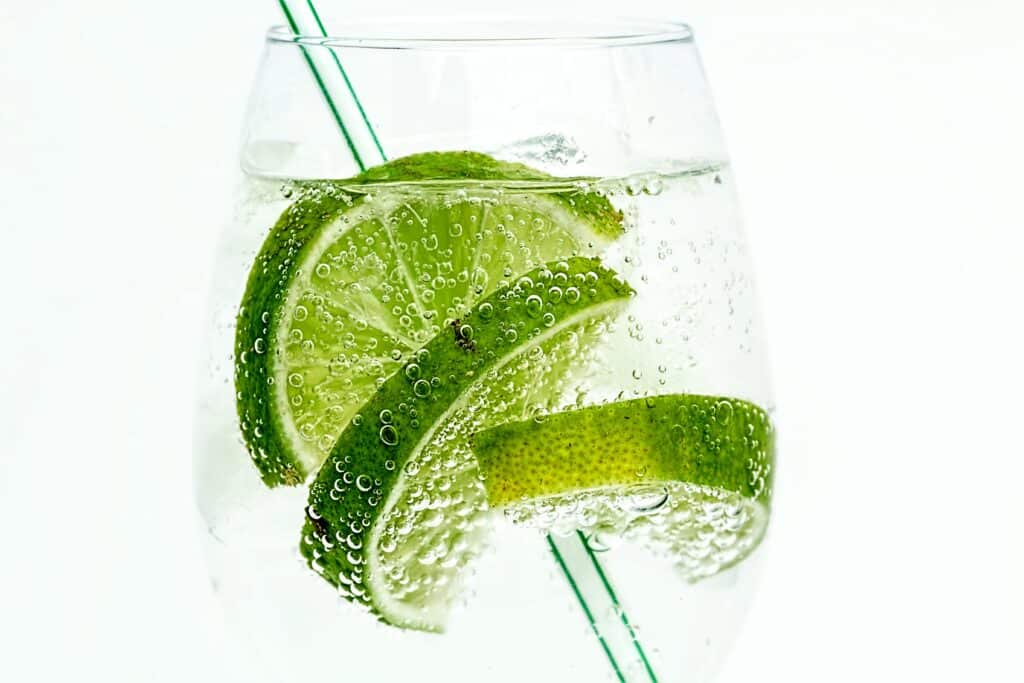
- Swap & Switch – Stock your refrigerator with different types of sparkling water, flavor-infused water, and bottled water to provide yourself with some soda alternatives to try and eventually pick your favorite.
- One chemical at a time – Not ready to give up the caffeine–switch to coffee or tea. Tackle ditching the sugar by giving up soda, then quit the caffeine later.
- Don’t be fooled by diet soda. – While it doesn’t have the calories or sugar of regular soda, the chemicals in diet soda may change your gut microbiome, cause gas and bloating, and make you crave sugar.
- Stay Hydrated – Drinking lots of water and non-soda beverages can help you to be less thirsty and help reduce the soda craving a little.
- Eat a Balanced Diet – A diet that is high in fruits, vegetables, whole grains, lean proteins, and healthy fats can help prevent blood sugar crashes that may entice you to reach for a soda.
Tricks to Quitting Soda
- Make it inconvenient – Shove the soda to the back of the fridge to remind yourself that you are cutting back.
- Go Tiny – Instead of buying full-size cans or bottles of soda, switch to the mini cans to help you start reducing your soda intake.
- Not your Favorite – Don’t buy your favorite soda. To help you start reducing your soda intake, buy your third-choice soda. For example, if you’re a Diet Coke drinker, try buying only store-brand diet cola.
- No Cold Soda – Don’t keep soda in the refrigerator at all. If it’s warm, you’ll have to drink it that way, wait for it to get cold (giving yourself the chance to change your mind), or use ice. Remember to keep lots of easier options available, nice and cold in the fridge.
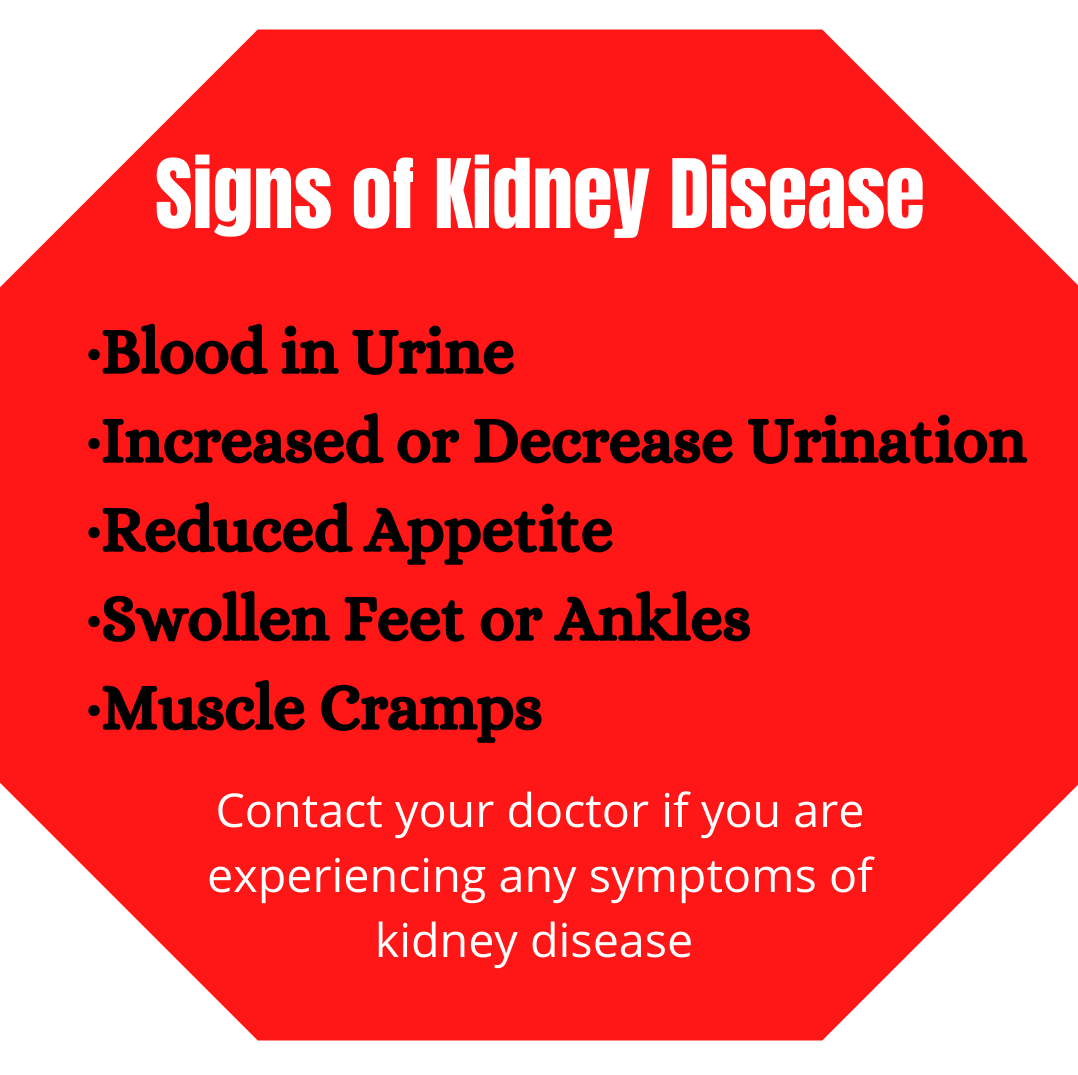
If you have a daily soda habit, cutting back or quitting can be a healthy choice. Drinking soda regularly can lead to weight gain and obesity. An unhealthy weight increases your risk for conditions like heart disease, kidney disease, and type 2 diabetes.
Remember, in your journey to making healthier choices and quitting soda, it is natural to experience setbacks. Don’t stress about it, the trick is to keep trying!
If you’re considering quitting soda and would like expert help finding the right plan to kick the soda habit, contact River Bend Medical Associates. As part of your medical team, we are here to provide you with the best care in all aspects of your healthcare needs. To learn more about our medical practice or to make an appointment, contact River Bend Medical Associates or call 916-392-4000.